Wondering if it is time to replace your doors or windows? Learn the warning signs of failing doors and windows, the energy savings new installations provide, and what the replacement process looks like.
Why Doors and Windows Matter More Than Most Homeowners Realize
Doors and windows are among the hardest-working components of your home, yet they are often overlooked until something goes visibly wrong. They control airflow, manage natural light, provide security, contribute to sound insulation, and play a major role in your home's energy efficiency. In Florida, where air conditioning represents the single largest utility expense for most households, the condition of your doors and windows directly impacts your monthly energy bills. According to the U.S. Department of Energy, heat gain and loss through windows accounts for 25 to 30 percent of residential heating and cooling energy use nationwide. In Florida's cooling-dominated climate, that percentage can be even higher because the intense sun beating through inefficient windows forces your air conditioning system to work overtime to maintain comfortable temperatures. Old, single-pane windows, worn weatherstripping, failing seals, and warped door frames allow conditioned air to escape and hot, humid outdoor air to infiltrate your home. The result is an HVAC system that runs longer and harder, higher utility bills, uneven temperatures throughout your home, and excess humidity that makes your home feel uncomfortable even when the thermostat reads the right number. Replacing failing doors and windows with modern, energy-efficient products can reduce your cooling costs by 15 to 25 percent — a savings that compounds year after year and eventually recoups a significant portion of the replacement cost.
Warning Signs That Your Windows Need Replacement
Windows do not fail overnight. They deteriorate gradually, and recognizing the warning signs early allows you to plan replacements proactively rather than reactively. Condensation between double-pane glass means the insulating seal has failed. When the seal between panes breaks, the argon or krypton gas that provides insulation escapes and is replaced by regular air that contains moisture. This moisture condenses between the panes where it cannot be cleaned, creating a foggy or milky appearance that worsens over time. Once the seal fails, the window has lost its insulating value and needs replacement — there is no effective repair. Drafts around closed windows indicate that weatherstripping has deteriorated or the window frame has warped. Hold a lit candle or incense stick near the edges of closed windows on a windy day — any flickering or smoke movement indicates air infiltration that is costing you money and comfort. Difficulty opening, closing, or locking windows signals frame deterioration, balance failures, or structural settling. Windows that stick, require force to operate, or will not lock securely are both an energy concern and a safety concern. In Florida, where hurricane preparedness requires functional windows, this is especially important. Visible frame damage including rot, warping, peeling, or soft spots indicates that the frame material has deteriorated beyond what maintenance can address. Wood frames are most susceptible in Florida's climate, where moisture and insects accelerate deterioration. Aluminum frames corrode over time, especially in coastal areas where salt air attacks the metal. Excessive outside noise that penetrates through closed windows suggests that the glass and frame are no longer providing adequate sound insulation. Modern dual-pane and triple-pane windows with laminated glass dramatically reduce noise transmission, which is valuable for homes near busy roads, flight paths, or commercial areas. Rising energy bills without other explanation often trace back to window and door efficiency. If your utility costs have been climbing despite no changes in usage habits or rate increases, deteriorating windows and doors may be allowing your conditioned air to escape.
Signs That Your Doors Need Replacement
Doors experience different stresses than windows but show equally clear signs when replacement is warranted. Visible light around a closed exterior door means the door is not sealing properly against the frame. Even a one-eighth-inch gap around a standard exterior door allows the equivalent airflow of a four-inch square hole in your wall — a significant source of energy loss and a pathway for insects and moisture to enter your home. Sticking or binding doors that are difficult to open or close usually indicate that the door frame has shifted due to foundation settling, moisture damage, or the original installation was not plumb and level. While minor adjustments can sometimes improve operation, persistent sticking usually means the frame needs replacement along with the door. Worn or damaged weatherstripping allows air, moisture, and insects to enter at the bottom, sides, and top of the door. Weatherstripping is replaceable on its own, but if the door slab has also warped or the frame is compromised, individual weatherstrip replacement provides only a temporary improvement. Outdated or insecure doors are a safety concern. Older doors with single-point lock systems, hollow-core construction, or deteriorated frames are significantly easier to breach than modern solid-core doors with multi-point locking systems and reinforced frames. If security is a concern, upgrading to modern doors with quality hardware is one of the most effective improvements you can make. Water damage around door thresholds is common in Florida where driving rain can penetrate inadequate door systems. Staining, swelling, or soft spots in the flooring near exterior doors indicate that water has been entering regularly and causing damage that extends beyond the door itself.
Understanding Modern Window and Door Technology
Window and door technology has advanced significantly in recent decades, and modern products offer dramatic improvements over what was standard even 15 to 20 years ago. Impact-rated windows and doors are designed to withstand hurricane-force winds and flying debris. They feature laminated glass that holds together when broken, reinforced frames, and heavy-duty hardware. In Florida, impact windows can eliminate the need for hurricane shutters while providing year-round benefits including enhanced security, noise reduction, and UV protection. Many insurance companies offer premium discounts of 20 to 45 percent for homes with full impact window and door systems, which can significantly offset the installation cost over time. Low-E coated glass has a microscopic metallic layer that reflects infrared heat while allowing visible light to pass through. In Florida's cooling climate, Low-E glass prevents solar heat gain, keeping your home cooler without darkening the rooms. Advanced Low-E coatings can block up to 70 percent of solar heat while still allowing most natural light to enter. Insulated glass units use two or three panes of glass separated by spacers and sealed with a gas fill, typically argon, between the panes. The gas fill reduces heat transfer significantly better than air alone. Triple-pane windows provide even better insulation and noise reduction but at a higher cost that is most justified in extremely hot or cold climates or noise-sensitive locations. Vinyl frames have become the most popular frame material in Florida because they provide excellent insulation, resist moisture and corrosion, never need painting, and are competitively priced. Quality vinyl frames use multi-chamber construction for structural strength and thermal performance. Fiberglass frames offer the best combination of strength, insulation, and longevity but at a premium price. Aluminum frames are economical and strong but conduct heat readily, making them the least energy-efficient option in Florida's hot climate unless they include thermal break technology.
The Replacement Process: What to Expect
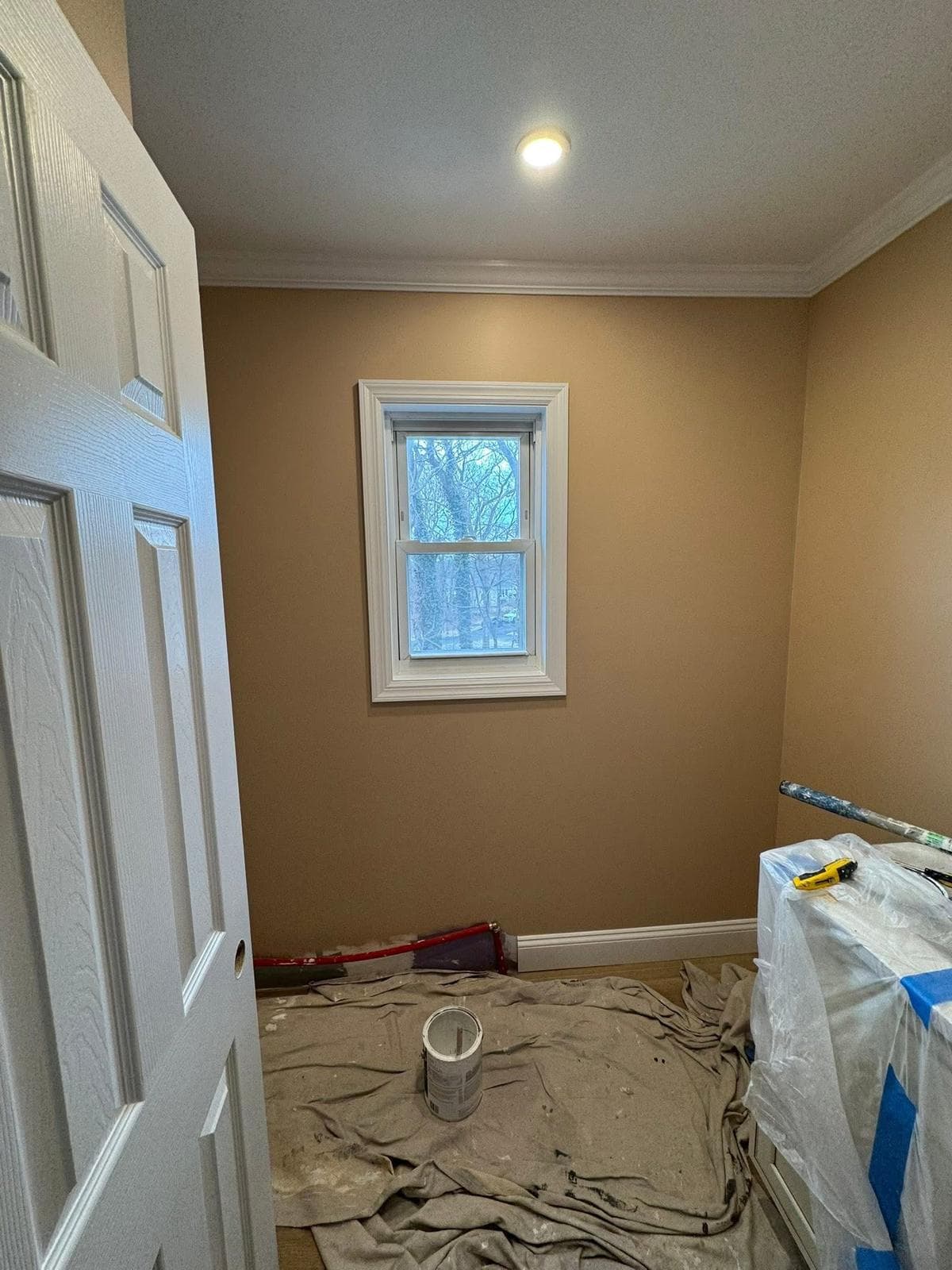
Understanding the door and window replacement process helps you plan and prepare for the project. Most replacements follow a straightforward sequence that minimizes disruption to your daily life. The process begins with a professional measurement visit. Accurate measurements are critical because replacement windows and doors are manufactured to fit your specific openings. Our team measures each opening precisely, notes any irregularities in the frame or surrounding structure, and discusses options for style, material, and features. After measurements are complete, we provide a detailed quote and place the order for your custom-sized products. Manufacturing lead times vary from a few weeks to several months depending on the product selected, with impact-rated products typically requiring longer lead times due to the specialized glass and certification requirements. Installation day starts with protecting your floors, furniture, and landscaping near the work areas. The existing window or door is carefully removed, and the opening is inspected for any hidden damage to the framing, flashing, or insulation. Any damage discovered is repaired before the new product is installed — this is not optional, as installing a new window or door in a compromised opening defeats the purpose of the upgrade. The new window or door is set into the opening, leveled, shimmed, and secured according to the manufacturer's specifications. Proper shimming and fastening are critical for smooth operation and a weathertight seal. The perimeter is sealed with expanding foam insulation and quality exterior caulk to prevent air and water infiltration. Interior and exterior trim is installed or restored to create a clean, finished appearance. New trim can transform the look of the window or door, and many homeowners take the opportunity to upgrade from basic casing to a more substantial, decorative profile during the replacement project. Most window replacements take about an hour per window for experienced installers. Exterior doors take two to four hours depending on complexity. A whole-house window replacement for a typical Jacksonville home can usually be completed in one to three days.
How to Choose the Right Replacement Windows and Doors
Selecting the right products requires balancing performance, aesthetics, and budget. Here are the key decisions you will face. For windows, start with the frame material. Vinyl offers the best value with low maintenance and good energy efficiency. Fiberglass provides premium performance and longevity. Aluminum is budget-friendly but less efficient. Wood offers classic beauty but demands ongoing maintenance, especially in Florida's climate. Glass selection should prioritize Low-E coatings and insulated glass units for energy efficiency. In Florida, a Solar Heat Gain Coefficient of 0.25 or lower is recommended to minimize heat gain. If your home is in a hurricane zone, impact-rated glass is strongly recommended both for storm protection and insurance savings. Window style affects both appearance and function. Double-hung windows are the most popular and versatile, allowing both top and bottom sashes to open for ventilation. Casement windows crank open outward and provide the best seal when closed. Sliding windows work well in spaces where a protruding sash would be impractical. Picture windows maximize views and light but do not open. For exterior doors, fiberglass entry doors have become the top choice in Florida. They resist warping, rotting, and termite damage while accepting stain or paint finishes that convincingly mimic real wood. Steel doors offer the highest security at a lower price but can dent and rust in coastal environments. Wood doors provide unmatched beauty but require significant maintenance in Florida humidity. Sliding glass doors should use impact-rated laminated glass, multi-point locking systems, and a low-profile threshold for smooth operation. French doors add elegance where space allows for their inward or outward swing.
Energy Savings and Return on Investment
Replacing old windows and doors with modern, energy-efficient products delivers measurable financial returns through reduced energy costs, potential insurance savings, and increased home value. Energy savings vary based on the age and condition of your existing windows and doors, but Jacksonville homeowners commonly report utility bill reductions of 15 to 25 percent after a full window and door replacement. For a home with a monthly cooling bill that runs into the hundreds during summer, these savings are significant and consistent year after year. In Florida, insurance premium reductions for impact-rated windows and doors can amount to substantial annual savings. Some Florida insurers offer discounts that, combined with energy savings, can offset a significant portion of the replacement cost within the first several years. Home value increase from new windows and doors is well-documented. National remodeling data consistently shows that window replacement recoups 60 to 75 percent of the project cost at resale, and this figure can be higher in markets like Jacksonville where buyers specifically seek hurricane-rated windows and energy-efficient features. Federal and state energy efficiency tax credits may be available for qualifying window and door replacements, further improving the return on investment. We can provide information on current programs and help ensure your product selections meet the eligibility requirements. When considering the investment, look beyond the upfront cost and calculate the total ownership benefit over 10 to 15 years. The combination of energy savings, insurance reductions, tax credits, and increased home value frequently makes window and door replacement one of the most financially sound home improvements available.
Schedule a Free Window and Door Assessment
If your Jacksonville home has aging windows or doors that are drafty, difficult to operate, showing condensation, or simply outdated, a professional assessment can help you understand your options and the potential savings. Prenga Construction provides free in-home window and door assessments throughout Jacksonville, Orange Park, Fleming Island, St. Augustine, and Northeast Florida. We evaluate your current windows and doors, identify the most impactful replacements, discuss product options and features, and provide a detailed quote with no obligation. Call us at (904) 909-0916 to schedule your free assessment. Our team will help you navigate the options, understand the investment, and choose the products that deliver the best combination of performance, appearance, and value for your home.