Tile flooring is the ideal choice for Florida's humid climate. Learn about porcelain vs. ceramic, popular styles, installation best practices, and how to choose the right tile for every room in your home.
Why Tile Flooring Is the Smart Choice for Florida Homes
Florida's subtropical climate creates conditions that challenge many flooring materials. High humidity levels that persist year-round, frequent rain tracked in from outside, intense air conditioning that creates temperature differentials, and the ever-present risk of water intrusion from storms all take a toll on flooring that was not designed for these conditions. Tile flooring thrives in exactly this environment. It is inherently waterproof, dimensionally stable in fluctuating humidity, naturally cool underfoot in hot weather, and virtually impervious to the mold and mildew that plague organic materials in humid climates. This is why tile has been the dominant flooring choice in Florida homes for generations — and why it remains the top recommendation from flooring professionals in the Jacksonville area. Beyond its practical advantages, modern tile has evolved dramatically in terms of style and design options. Today's porcelain and ceramic tiles can convincingly replicate natural hardwood, marble, concrete, terrazzo, and dozens of other materials while providing durability and maintenance advantages that the original materials cannot match. A wood-look porcelain plank is virtually indistinguishable from real hardwood once installed but will never warp, swell, or develop mold when exposed to Florida's humidity. For Jacksonville homeowners weighing their flooring options, understanding the different types of tile, their ideal applications, and what professional installation involves helps you make a confident, long-lasting choice.
Porcelain vs. Ceramic Tile: Understanding the Difference
The terms porcelain and ceramic are often used interchangeably, but they are distinct materials with important differences in performance. All tile is made from clay fired in a kiln, but the type of clay, firing temperature, and manufacturing process determine whether the result is ceramic or porcelain. Ceramic tile is made from red or brown clay fired at lower temperatures. It is softer, more porous, and easier to cut than porcelain. Ceramic tile is perfectly suitable for walls, backsplashes, and light-traffic floor areas. It is generally less expensive than porcelain and comes in an enormous range of colors, patterns, and decorative styles. However, its higher water absorption rate — typically 3 to 7 percent — makes it less ideal for outdoor applications, showers, and areas prone to standing water. Porcelain tile is made from refined white clay fired at significantly higher temperatures, resulting in a denser, harder, and less porous product. Porcelain has a water absorption rate below 0.5 percent, making it suitable for any application including outdoor patios, pool decks, showers, and high-traffic commercial spaces. Porcelain is also available in through-body construction, meaning the color and pattern extend through the entire thickness of the tile. This means chips and scratches are far less visible than on glazed ceramic, where the color exists only as a thin surface layer. For Florida floor installations, we recommend porcelain tile in most applications. The small premium in material cost is offset by significantly better durability, moisture resistance, and longevity. Ceramic tile remains an excellent choice for walls, decorative accents, and backsplashes where the performance demands are lower.
Popular Tile Styles and Formats for 2026
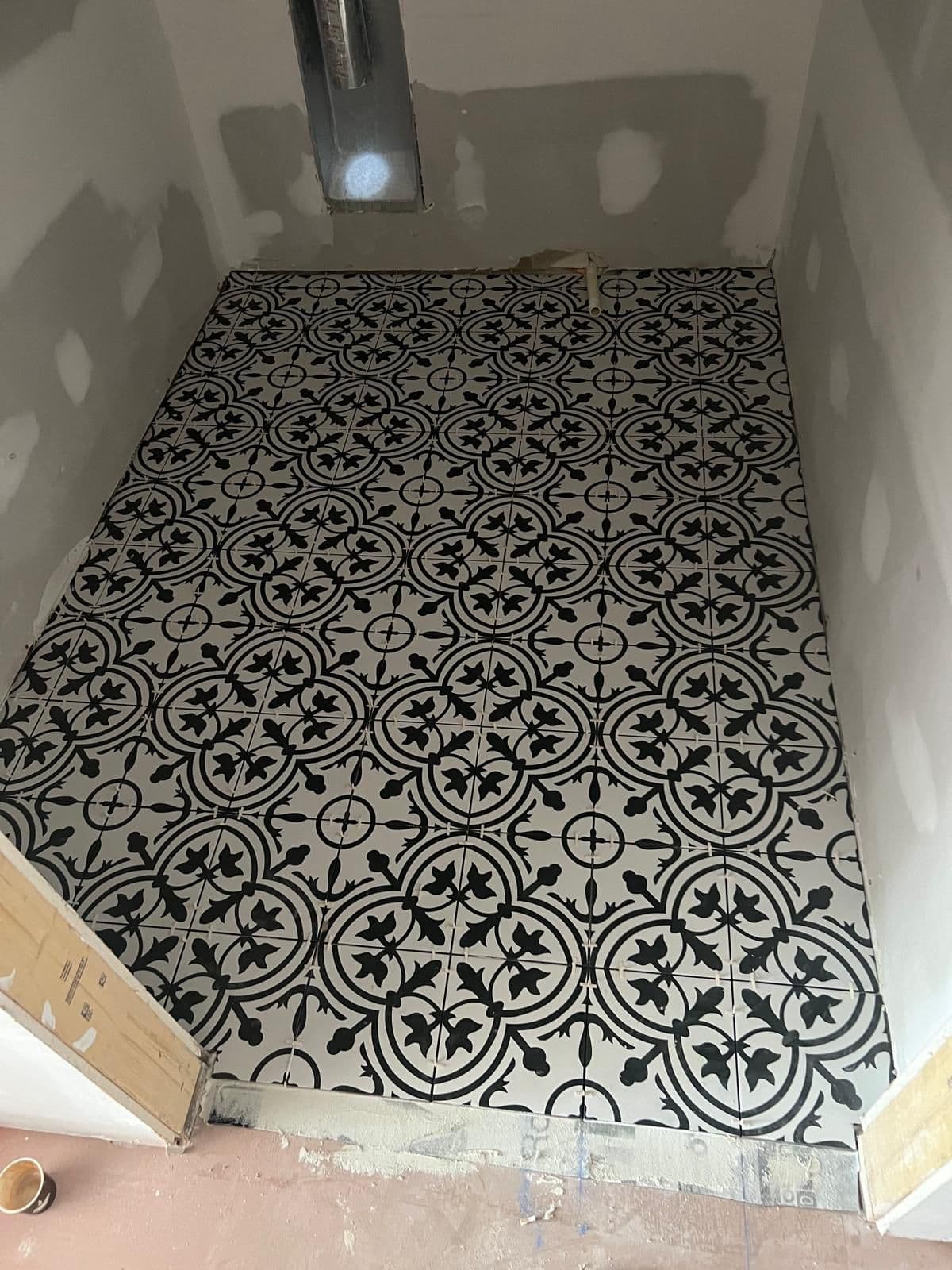
Tile design trends in Jacksonville homes are moving toward larger formats, natural looks, and thoughtful pattern work. Large-format tiles in the 24-by-48-inch and 32-by-32-inch range continue to gain popularity. Fewer grout lines create a cleaner, more seamless appearance and make rooms look larger. Large-format installation requires a perfectly level subfloor and experienced installers who can handle the weight and precision required, but the finished result is stunning. Wood-look porcelain planks have become one of the most popular tile choices in Jacksonville. Available in realistic oak, walnut, hickory, and reclaimed wood textures, these planks are installed in the same patterns as real hardwood — staggered, herringbone, or chevron. They provide the warm aesthetic of wood with the waterproof durability of porcelain, making them ideal for open-concept homes where the flooring flows from living areas through kitchens and bathrooms. Natural stone-look porcelain captures the beauty of marble, travertine, and slate without the maintenance demands of actual stone. Marble-look porcelain is especially popular in bathrooms and entryways where the luxurious veining creates a high-end look at a fraction of the cost and maintenance of real marble. Concrete-look tile in matte finishes provides an industrial-modern aesthetic that pairs well with contemporary and transitional design styles. These tiles are popular in living areas, kitchens, and outdoor patios where they create a cohesive indoor-outdoor flow. Geometric and patterned tiles are used as accent elements — in entryway medallions, laundry room floors, and powder room statement walls. Encaustic-look porcelain tiles provide the hand-crafted appearance of traditional encaustic cement tiles with modern durability and maintenance ease. For grout color, the trend has shifted from contrasting grout that highlights the tile pattern to matched or closely coordinated grout that creates a more seamless appearance. Epoxy grout is increasingly specified for its stain resistance and durability, especially in kitchen and bathroom applications.
Tile Installation: Why Professional Installation Matters
Tile installation is one of the most technique-dependent flooring processes, and the quality of installation directly determines how the floor looks and performs for decades. The process begins with subfloor preparation, which is the foundation of a successful tile installation. The subfloor must be structurally sound, level, and properly prepared to accept tile. Concrete subfloors are leveled using self-leveling compound where needed, and any cracks are addressed with crack isolation membrane. Wood subfloors require cement backer board or an uncoupling membrane to prevent the natural movement of wood from cracking tiles and grout. In Jacksonville homes with concrete slab foundations, we frequently encounter uneven slabs that need leveling before tile can be installed. Attempting to install tile on an uneven surface results in lippage — uneven tile edges that catch toes, collect dirt, and look unprofessional. Proper leveling eliminates this problem entirely. Tile layout is planned before any adhesive is applied. We dry-lay tiles to determine the optimal starting point, ensure that cut tiles at walls are balanced and proportional, and that pattern alignment is correct throughout the space. This planning step prevents the awkward narrow tile strips along walls that are the hallmark of amateur installation. The setting process uses the appropriate thin-set mortar for the tile type and substrate. Large-format tiles require a large-and-heavy-tile mortar and back-buttering technique to ensure 95 percent or greater coverage — anything less creates hollow spots where tiles can crack under foot traffic. We use a leveling system during installation to ensure perfectly flush tile edges across the entire floor. After the thin-set cures for a minimum of 24 hours, grout is applied, packed into joints, and cleaned. We finish with a grout sealer for cementitious grout to prevent staining and simplify future cleaning.
Room-by-Room Tile Recommendations for Florida Homes
Different rooms have different demands, and selecting the right tile for each space maximizes both performance and aesthetics. Entryways and foyers are high-traffic transition zones where dirt, sand, and moisture from outside are tracked in daily. Choose a durable porcelain tile with a textured or matte finish for slip resistance. Darker colors and patterns hide dirt between cleanings. Large-format tiles or natural stone looks create an impressive first impression for guests. Living rooms and great rooms benefit from large-format porcelain that creates a seamless, expansive look. Wood-look planks are the most popular choice here, providing warmth and character without the maintenance concerns of real hardwood. In open-concept homes, running the same tile continuously from the living room through the kitchen and dining area creates visual flow and makes the space feel larger. Kitchens require durable, stain-resistant tile that can withstand dropped items, spills, and heavy foot traffic. Porcelain is the clear winner here. Matte or slightly textured finishes provide slip resistance around the sink and cooking areas where water splashes are common. Avoid high-gloss polished tile in kitchens — it becomes dangerously slippery when wet. Bathrooms demand waterproof tile on both floors and walls. Smaller format tiles with more grout lines on shower floors provide better traction on wet surfaces — mosaic tiles and penny rounds are popular shower floor choices. Shower walls can use larger format tiles for a sleek look. Heated tile floors are a popular upgrade in Jacksonville bathrooms, providing warm comfort underfoot on cool Florida mornings. Outdoor patios and pool decks require frost-proof porcelain pavers or rated outdoor porcelain tile. These tiles are specifically manufactured with slip-resistant surfaces and the structural strength to withstand direct UV exposure and occasional freezes. They create a beautiful extension of your indoor living space while performing safely in wet conditions.
How Much Does Tile Flooring Installation Cost in Jacksonville?
Tile flooring costs include both material and labor, and both vary significantly based on your choices. Material costs range from a few dollars per square foot for basic ceramic tile to significantly more for premium large-format porcelain, natural stone, or designer pattern tiles. The sweet spot for most Jacksonville homeowners is mid-range porcelain tile that balances quality, durability, and aesthetics. Labor costs for professional tile installation in Jacksonville typically account for a significant portion of the total project cost per square foot and vary based on tile size, pattern complexity, and subfloor condition. Large-format tiles require more preparation and specialized installation techniques. Complex patterns like herringbone and chevron involve more cuts and waste. Subfloor leveling and backer board installation add to the preparation costs. Additional cost factors include removing existing flooring, subfloor repair, transitions to other flooring materials, and the cost of grout, thin-set, backer board, and other installation materials. We always include these items in our quotes so there are no surprise costs during the project. The total installed cost for a typical Jacksonville living area — roughly 500 square feet of quality porcelain tile with professional installation — falls within a range that most homeowners find accessible. We provide detailed, itemized quotes that break down material, labor, and preparation costs so you know exactly where your investment goes.
Tile Maintenance: Keeping Your Floors Beautiful for Decades
One of tile's greatest advantages is its minimal maintenance requirements. Compared to hardwood that needs refinishing, carpet that needs replacement, or natural stone that needs regular sealing, porcelain tile asks very little of you. Daily maintenance is simple — sweep or vacuum to remove loose dirt and grit that can scratch the surface over time. A robot vacuum is an excellent investment for tile floors, handling this daily task automatically. Weekly mopping with a neutral pH cleaner keeps the tile looking fresh. Avoid vinegar, bleach, or acidic cleaners on tile and grout — they can etch the surface and break down grout over time. Grout maintenance is the main focus area for tile floor care. Cementitious grout should be sealed after installation and resealed every one to two years to maintain stain resistance. Epoxy grout, while more expensive initially, never needs sealing and is virtually stain-proof. If your grout has become discolored, professional grout cleaning and resealing can restore it to like-new condition without replacing the tile. For any chips or cracks in individual tiles, they can usually be replaced individually without disturbing surrounding tiles. This is why we always recommend keeping a few extra tiles from your installation for future repairs. Properly installed and maintained tile flooring easily lasts 50 years or more — making it one of the most economical long-term flooring choices despite a higher upfront cost compared to carpet or vinyl.
Schedule Your Free Tile Flooring Consultation
Whether you are building a new home, replacing worn flooring, or upgrading a specific room, Prenga Construction provides expert tile installation throughout Jacksonville, Orange Park, St. Augustine, Fleming Island, and Northeast Florida. We help you select the right tile for your space, prepare your subfloor properly, and install with the precision and care that ensures a beautiful, lasting result. Call us at (904) 909-0916 or fill out our contact form to schedule a free in-home consultation. We will measure your space, discuss your style preferences and budget, and provide a detailed quote for professional tile installation that you will enjoy for decades to come.